
SEO Keyword Research for Beginners: The Complete Free Course (Step-by-Step)
Most people who fail at SEO do not fail because they cannot write. They fail because they chose the wrong keywords before they ever started writing.
I have been doing keyword research for over 15 years across more than 100 websites. I have seen sites with incredible content rank for nothing because the keyword strategy was wrong from day one. And I have seen mediocre content rank on page one because the keyword research was done right.
This free course covers everything you need to know to do keyword research properly: what keywords are, the different types, how to validate them, how to find long-tail opportunities using free sources, and how to group them into topic clusters. No paid tools required to get started.
If you learn better by watching, the full course video is below. The written guide covers everything in the video with additional depth and examples.
What Is SEO Keyword Research?
Keyword research is the process of finding the right keywords for your content.
That is the one-sentence definition, but it undersells what is actually happening. Good keyword research tells you what your audience is thinking, what problems they are trying to solve, and exactly what words they type into a search engine to find solutions. That information shapes your entire content strategy, not just your titles.
Why keyword research is the foundation of SEO:
When you get keyword research right, everything downstream becomes easier. You know what content to write. You know what angle to take. You know whether a topic has commercial value or is pure informational content. You can estimate how hard it will be to rank and roughly how long it will take.
When you get it wrong, you can spend months writing content that ranks for nothing, or worse, content that ranks for the wrong audience and generates no sales or leads.
Consider two approaches:
- Poor keyword research: Writing a post about “SEO tips” because it sounds relevant. The keyword has massive competition, unclear intent, and your content gets buried under established authority sites.
- Good keyword research: Finding that “local plumber SEO checklist” has low competition, clear commercial intent, and is exactly what your target audience searches when they are ready to hire an SEO consultant.
The difference is not writing ability. It is research.
“When I started my first website in 2010, I wrote 50 articles before learning what keyword research actually was. Most of those articles never ranked for anything useful. When I rebuilt the site with proper keyword research behind every piece of content, traffic grew 300% within 8 months. The writing quality was actually worse on the second version. The keyword strategy was better.”
This guide is the course I wish I had when I started. Let us get into it.
What Is a Keyword?
Before you can research keywords effectively, you need a clear understanding of what a keyword actually is from multiple perspectives.
From a Searcher’s Perspective
A keyword is any word or phrase a person types into a search engine to find information, a product, or a service. It can be a single word like “SEO,” a short phrase like “best SEO tools,” or a complete question like “how do I improve my Google ranking without backlinks.”
Whatever someone types into the search bar is a keyword. There are no rules on length or format from the searcher’s side.
From a Website Owner’s Perspective
As a website owner or content creator, a keyword is a target. It is the word or phrase you deliberately optimize your content for because you know your potential audience is searching for it. You identify keywords through research, evaluate them against multiple factors, and then build content around them to attract the right visitors.
The goal: when your target audience types those words into Google, your page appears at or near the top.
From a Search Engine’s Perspective
Search engines like Google use keywords to understand what a webpage is about and how to rank it. They analyze the words on your page, your headings, your links, and hundreds of other signals to determine relevance. They then match your content to search queries they believe it best answers.
One critical point: modern search engines do not just match exact keywords. They understand meaning, context, and relationships between words. Google’s algorithms can determine that a page about “automobile maintenance” is relevant to someone searching “how to take care of my car,” even if those exact words never appear on the page.
This is why your keyword strategy needs to be about topics and intent, not just individual word matches.
Types of Keywords Every Beginner Must Know
There are more keyword types than most beginner guides cover. Understanding them gives you a vocabulary for thinking about your keyword research more precisely.
Watch the lesson video for a full walkthrough with examples:
SEO Keyword Types
Seed Keywords
Seed keywords are the starting point of your research. They are broad, industry-defining words that you would not necessarily target directly, but that you use to generate deeper, more specific keyword ideas.
If you run an SEO consulting business, “SEO” is your seed keyword. If you sell weight loss supplements, “weight loss” is your seed keyword. Every industry has a handful of seed keywords that define it.
You will not rank for seed keywords as a new or mid-authority site. But they are essential starting points for generating all the specific keyword opportunities you actually can rank for.
Primary Keywords
Your primary keyword is the main target for a specific piece of content. It is the most important phrase you are trying to rank for with that page.
If you are writing an article about choosing the right SEO tool for a small business, your primary keyword might be “best SEO tools for small business.” Every page on your site should have one clear primary keyword.
Secondary Keywords
Secondary keywords are related terms that support your primary keyword. They include synonyms, closely related phrases, and variations that the same searcher might use.
For an article targeting “best SEO tools for small business,” secondary keywords might include “affordable SEO software,” “SEO tools for beginners,” and “small business website ranking tools.” Including these naturally in your content helps you rank for a broader range of related queries.
Semantic Keywords (Not LSI - the Distinction Matters)
You will often see the term “LSI keywords” used in SEO content. LSI stands for Latent Semantic Indexing, a text analysis method from the 1980s that Google has confirmed it does not use.
What Google actually uses is its own semantic understanding based on modern natural language processing and machine learning. When SEO professionals say “LSI keywords,” they almost always mean semantic keywords: related terms, entities, and concepts that provide context and depth to your content.
For an article about apple phones, semantic keywords include “iOS,” “App Store,” “battery life,” and “camera megapixels.” Google understands these terms are related. Including them signals topical authority.
You do not need specialized tools to find semantic keywords. Use common sense, synonyms, industry terminology, and the “People Also Ask” and “Related Searches” sections in Google.
Time-Based Keyword Types
Long-term Evergreen Keywords
Evergreen keywords have consistent search volume year after year. “How to start a blog,” “weight loss tips,” and “how to learn SEO” are evergreen because the underlying need never goes away. These are your foundation - the content that drives consistent traffic over months and years.
Short-term Fresh Keywords
These emerge around new products, events, launches, or trends. When a new software tool launches, related keywords spike immediately and then may decline. They can drive huge short-term traffic but require quick action.
Seasonal Keywords
Seasonal keywords peak during specific times of year. “Christmas gift ideas” peaks in November-December. “Summer running shoes” peaks in spring. Understanding seasonality helps you publish content at the right time and avoid expecting consistent traffic from seasonal terms.
Dying Keywords
These are keywords tied to industries, products, or trends that are declining. “Blackberry apps” or “Flash website developer” are examples. You can still find niche opportunity here, but be aware of the trend before investing significant content effort.
Length-Based Keyword Types
Short Keywords (1-2 words)
High volume, extremely high competition, very low purchase intent. Terms like “SEO,” “marketing,” or “shoes” get millions of searches but rank on nothing but established authority. Rarely the right target for new or growing sites.
Regular/Mid-tail Keywords (2-5 words)
The majority of keyword research falls here. Medium volume, medium competition. Terms like “best SEO tools 2025” or “email marketing tips for beginners.” These are practical targets for most content.
Long-tail Keywords (6+ words or question-based)
Lower volume, low competition, very high intent. “How to do keyword research for a small business website” is long-tail. The user typing that knows exactly what they need. These keywords often have conversion rates 3-5x higher than broad terms because the intent is clear and specific.
Long-tail keywords are the fastest path to rankings for new sites. Most of your early content strategy should target them.
Buyer Intent Keywords
Informational Intent
The user wants to learn something. “What is SEO,” “how does keyword research work,” “what are backlinks.” They are not ready to buy. Create educational content - blog posts, guides, tutorials - for these keywords.
Navigational Intent
The user knows where they want to go. They are searching for a specific site, brand, or resource. “Ahrefs login,” “Google Search Console,” “Semrush review.” Brand and product pages rank for these.
Commercial/Transactional Intent
The user is ready to buy or very close to it. “Best SEO tool for agencies,” “Semrush vs Ahrefs,” “buy keyword research course.” These are your highest-value keywords from a business perspective. Product pages, comparison articles, and review posts rank here.
Understanding intent before writing means you create the right type of content for the right stage of the buyer journey, rather than writing guides for people who want to buy or sales pages for people who want to learn.
How to Choose the Right Keywords: 7 Validation Factors
Finding keyword ideas is only half the job. Validating those ideas to determine which are actually worth targeting is where most beginners fall short.
Here is the lesson video covering keyword validation in detail:
1. Search Volume and Value
Search volume tells you how many times per month people search for a keyword. But this number alone means almost nothing without context.
Two keywords might both have 100 monthly searches:
- “how to clean office floors” (cleaning service blog targeting homeowners)
- “commercial cleaning tender bid requirements” (B2B cleaning company)
The second keyword is worth 10x the first despite identical volume, because the buyer is further in the purchase cycle and the contract value is far higher.
The lesson: Always think about search value alongside search volume. Ask yourself what a single conversion from this keyword is worth to your business. A legal services site can justify targeting keywords with 20 monthly searches that a consumer goods site would ignore.
2. Keyword Difficulty in the SERP
Keyword difficulty measures how hard it will be to rank on page one. Most tools express this as a number from 0 to 100. The higher the number, the more established and authoritative the sites currently ranking are.
What drives keyword difficulty:
- Domain authority of pages currently ranking
- Number and quality of backlinks those pages have
- How well the top-ranking pages satisfy search intent
- How much established content exists on the topic
Practical approach for beginners: Target keywords with a difficulty score below 30 when you are starting out. As your site builds authority through published content and backlinks, you can gradually target more competitive terms.
Do not ignore high-difficulty keywords entirely - start working on them early, because they take time - but do not expect quick results from them.
3. Cost Per Click (CPC) as a Commercial Intent Signal
CPC is what advertisers pay Google per click when running paid ads on a keyword. You can use this as a proxy for commercial value even if you are doing organic SEO.
When advertisers pay $20-50 per click, they are doing so because conversions from those keywords generate revenue that justifies the cost. That tells you the keyword has strong commercial intent and real business value.
Low CPC can mean low commercial value (though not always). A keyword with zero advertisers might be purely informational, or it might be an untapped opportunity. Use CPC as one signal, not a definitive answer.
4. Organic Click-Through Rate
Not all page-one rankings generate the same traffic. Some keywords trigger features that absorb clicks before they reach organic results:
- Featured snippets (direct answer box)
- People Also Ask boxes
- Knowledge panels
- Shopping ads (4+ ads above organic)
- Maps pack for local searches
If a keyword triggers a featured snippet and 5 ads, your page-one ranking might only receive 5-10% of total searches rather than the typical 30-40% for a clean SERP.
Check the actual Google results page for your target keywords before committing to content. If the organic real estate is limited, factor that into your effort calculation.
5. Search Intent (The Most Critical Factor)
This is the one validation factor that overrides all others.
Search intent is what the user actually wants to accomplish when they type that query. Get it right and you can rank with good-but-not-great content. Get it wrong and you will not rank regardless of how good your content is.
Google has become extremely good at reading intent. If you create a product page for a keyword where the SERP is full of informational blog posts, you will not rank. If you write a beginner guide for a keyword where the SERP is full of product pages and tools, you will not rank.
How to identify intent: Look at the top 10 results for your target keyword. What type of content is Google ranking? What is the format (list, guide, product page, video)? That tells you exactly what Google believes satisfies the searcher’s intent. Match that format and topic depth.
6. Search Trend and Seasonal Demand
Use Google Trends to see whether a keyword is growing, stable, or declining. A keyword with 500 monthly searches and growing trend has more long-term value than one with 1,000 searches and a downward trend.
For seasonal keywords, plan your publishing schedule around peaks. An article about “summer SEO strategy” needs to be indexed and ranked well before the peak season hits, not during it.
7. Keyword Suitability for You
A keyword can be perfect in every objective metric and still be wrong for your site. Consider:
- Domain relevance: Does this topic fit your site’s established niche? A pet food site ranking for SEO keywords confuses Google about what your site is about.
- Product fit: Does your product or service actually solve the problem this keyword represents?
- Geographic relevance: If you serve only local customers, national search volume is misleading.
- Ethical fit: Are there industry regulations, ethical considerations, or compliance requirements that affect what you can publish on this topic?
The best keyword for you is the one that is a good fit across all these dimensions, not just the one with the highest search volume.
The Step Most Beginners Skip: Industry and Market Research
Here is what almost every beginner keyword research guide gets wrong: they jump straight to tools.
You open Semrush or Ahrefs, type in a seed keyword, and pull a list of related terms. That data is real and useful. But if you do not understand your industry first, you will not know which of those keywords actually matters, which ones your customers use, or what intent sits behind them.
Industry research is the step before the tool. It is learning how your customers think, speak, and search before you validate anything with data.
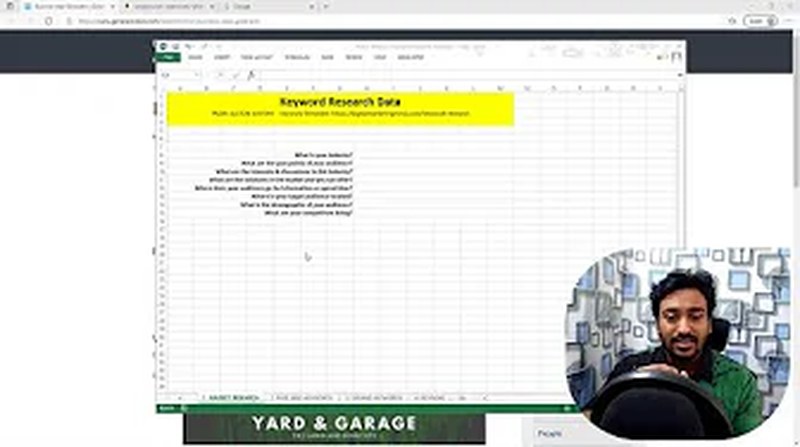
The 7 Questions to Ask Before You Open a Keyword Tool
Answer these questions about your target industry or niche before running a single keyword search:
1. What are the pain points?
What specific problems does your target audience have that your product, service, or content solves? A commercial cleaning company’s customers have pain points like “employee productivity affected by dirty office,” “preparing for a health inspection,” and “reducing cleaning supply costs.” Each pain point is a keyword cluster.
2. What are their interests?
What topics within this industry do your customers want to learn about? Interests shape informational keyword opportunities.
3. What solutions are they looking for?
What products, services, or approaches does your audience consider to solve their problems? These are your commercial-intent keywords.
4. Where do they spend time online?
Identify the websites, forums, communities, and social platforms where your target audience congregates. Those are your primary research sources for the next phase.
5. What is their geographic context?
Does location matter for this business? Local businesses need to understand which geographic modifiers their customers use. A national business still needs to know if certain regions use different terminology.
6. What are the demographic specifics?
Age, profession, technical expertise, and buying authority all affect how people search. A CEO researching enterprise software uses different keywords than an IT manager doing the same research.
7. Who are the competitors?
Your competitors have already done keyword research. Their site structure, navigation, service pages, and blog categories are a map of the keyword opportunities they believe are valuable. Study them before you start your own research.
Building Your Seed Keyword List
After answering those questions, you have enough context to create a preliminary seed keyword list. These are the 10-20 broad terms that define your niche. Everything else in the research process flows from this list.
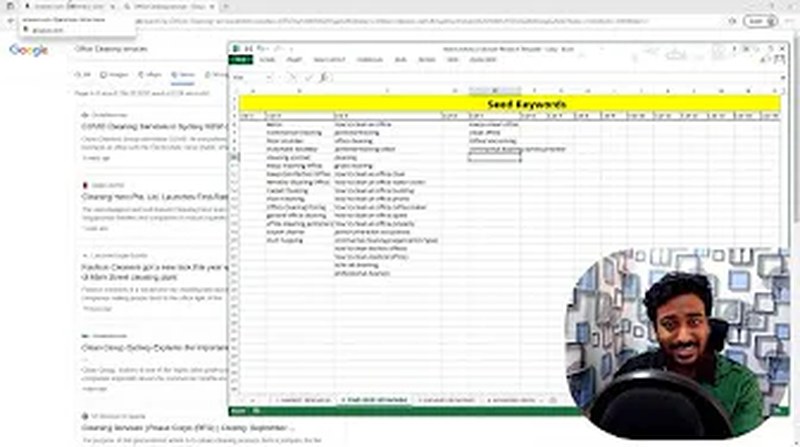
A cleaning services seed keyword list might include: commercial cleaning, janitorial services, office cleaning, building maintenance, cleaning products, sanitation services, green cleaning, industrial cleaning, facility management.
None of these are final targets. They are your starting point for discovery.
15+ Free Sources to Find Long-Tail Keywords
With industry knowledge established and seed keywords identified, you are ready to mine real-world sources for specific keyword ideas. These sources reveal how actual people talk about your industry, including terminology that keyword databases have never measured.
This is the phase that separates thorough keyword researchers from everyone else. Tools show you keywords that are already well-known. These sources show you keywords before they become obvious.
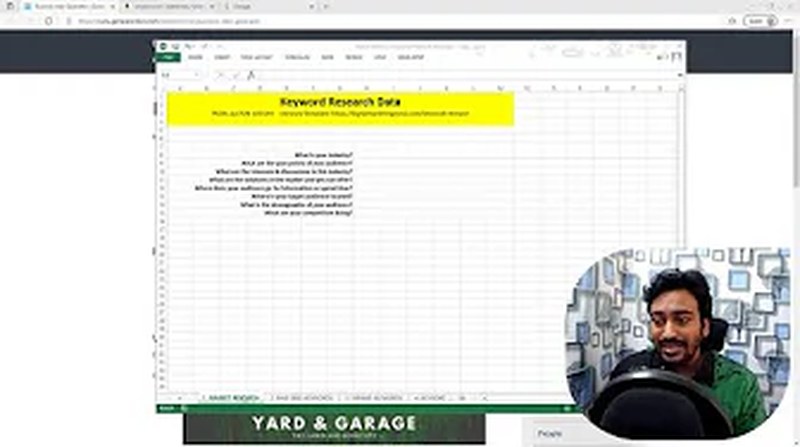
Your Keyword Brainstorming Spreadsheet
Before you start, set up a simple spreadsheet to capture everything you find. Use these four columns:
| Column | What to Record |
|---|---|
| Seed keyword / topic | The core idea you found |
| Source | Where you found it |
| Intent | Informational, commercial, transactional, or navigational |
| Notes | Pain points, jargon, questions, context |
Do not filter at this stage. Capture every potentially useful idea. Volume validation happens later in a keyword tool.
1. Forums and Online Communities
Forums are the most underused keyword research source available. Real people post real problems in their own words. The language they use is the language they search with.
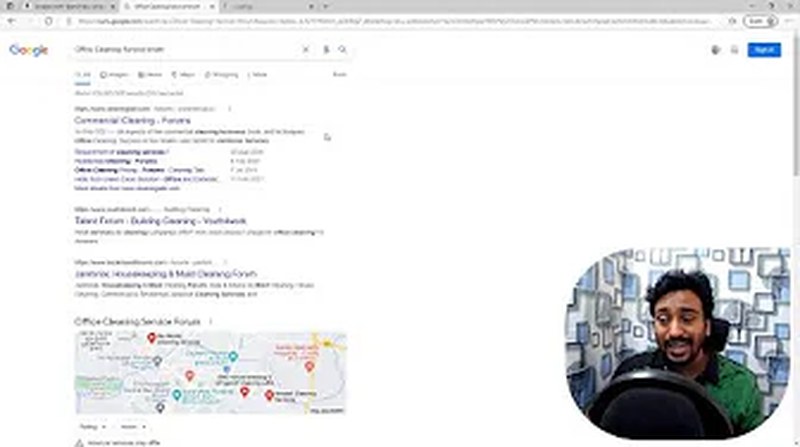
To find relevant forums:
- Search
niche + forumin Google - Use
inurl:forum + niche - Search
site:reddit.com + niche
When I researched the office cleaning niche using this method, forums surfaced keyword clusters like “day porter services,” “biohazard cleanup protocols,” and “green cleaning certification” — terms I would not have found starting with a keyword tool because they require industry knowledge to recognize as valuable.
What to mine in forums:
- Thread titles that read as questions (exact search query phrasing)
- Terms that repeat across multiple threads (indicates consistent demand)
- Complaints and frustrations (pain-point content opportunities)
- Technical jargon non-experts would need to search to understand
Pro tip: Mine the words people use to describe their problem, not just the solution. “Why does my office smell bad after cleaning” is often a better keyword than “office cleaning tips” because the intent is specific.
2. Reddit
Reddit deserves its own section because it is the richest single source of natural language keyword data available for free.
Subreddits are highly segmented niche communities where members use precise, unfiltered language. Sort any relevant subreddit by “Top” for the past year and you see exactly what topics your audience cares most about.
Three Reddit research tactics:
- Subreddit titles: The most upvoted post titles contain search-query language your audience uses
- Google Reddit search: Use
site:reddit.com "your keyword"in Google to surface highly indexed threads - Thread comment mining: Top comments in popular threads contain the vocabulary of engaged community members
For deeper competitive research, take Reddit phrases to a keyword tool like Semrush Keyword Magic Tool to validate volume and difficulty. The combination of human language discovery and data validation is more powerful than either alone.
3. Social Media (YouTube, LinkedIn, Instagram)
Social platforms are search engines. YouTube is the world’s second largest search engine. The keyword data inside them is distinct from Google and often reveals intent angles that do not appear in traditional keyword tools.
YouTube keyword research:
- Search your seed keyword and pause - autocomplete shows real search behavior
- Read the top video titles for keyword phrasing patterns
- View page source on any video page and search for
"keywords"to see creator tags - Read comment sections: unfiltered questions and frustrations from real audience members
LinkedIn is particularly valuable for B2B keyword research. Job listings, professional articles, and company posts use the formal industry terminology that corporate buyers search when looking for solutions.
Instagram and TikTok: Hashtags are visual keyword research. Search your seed keyword and examine related hashtags for topic angle variations.
4. Shopping Sites (Amazon, Google Shopping)
E-commerce platforms are excellent keyword research sources even for service businesses. Buyer language on shopping sites is as close to transactional search intent as you will find anywhere.
Amazon research tactics:
- Autocomplete: Type your seed keyword in Amazon’s search bar. Suggestions reflect real buyer behavior, not estimated volume.
- Product category navigation: Left-panel category filters show how buyers segment their needs.
- Product reviews and Q&A: Customer reviews describe the problem before the solution. That “before” language is exactly how people search.
Real example from cleaning supply research: An Amazon review for an office vacuum said “Finally a vacuum that handles carpet tiles in an open-plan office without leaving marks.” That single sentence contains “carpet tiles office vacuum,” “open-plan office cleaning,” and “vacuum marks on carpet” - three distinct keyword ideas.
5. Competitor Websites
Your competitors have already researched your market. Their site structure tells you exactly what keyword clusters they consider worth building content for.
What to analyze on competitor websites:
- Navigation menus and service pages: Each dedicated page represents a keyword cluster they believe is valuable
- FAQ sections: FAQs are built to rank for question-based long-tail keywords
- Blog categories: Category labels reveal how they have organized keyword clusters
- Meta titles: View page source and look at
<title>tags - these contain targeted keywords - Bolded and repeated terms: Signals the page’s priority keyword phrases
For deeper competitor keyword intelligence, Semrush Organic Research shows every keyword a competitor ranks for. The Semrush Keyword Gap tool identifies keywords your competitors rank for that you do not yet have content for.
6. Blogs and Niche Sites
Reading authoritative content in your niche teaches you the language, depth expectations, and structural patterns your audience encounters. It also surfaces specific terminology you would not discover through competitor analysis alone.
How to mine blogs for keywords:
- Search your seed keyword in Google and open the top 5 organic results
- Look at the table of contents or H2 structure - each heading often targets a long-tail keyword
- Note bolded terms and defined concepts (the author signaled these as important)
- Check internal link anchor text - it reveals priority keyword targets for that site
Industry association and trade publication sites are especially valuable. They use precise professional terminology that serious buyers search. For cleaning, the ISSA (Worldwide Cleaning Industry Association) surfaced terms like “Green Seal GS-37 certified cleaning,” “LEED points cleaning documentation,” and “OSHA bloodborne pathogen cleaning” - high-value keywords for medical and government facility clients.
7. Google News
Google News reveals current industry conversations. This gives you two advantages: emerging terminology before it hits keyword databases, and journalist phrasing that reflects how educated buyers search.
Go to news.google.com and search your seed keyword. Look for:
- Topic clusters appearing repeatedly across multiple publications
- Specific phrases used in headlines (journalists write for search)
- Emerging issues with no established competition yet

Bonus tactic: Read article subheadings and pull quotes. These are condensed, clear-language versions of the article’s key points - exactly the phrasing someone would search.
8. Search Engine Autocomplete and “People Also Ask”
Search engines themselves are among the best free keyword tools available.
Google autocomplete:
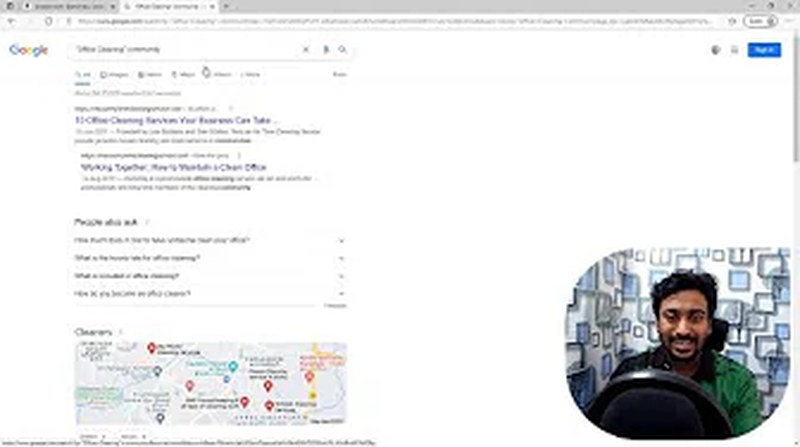
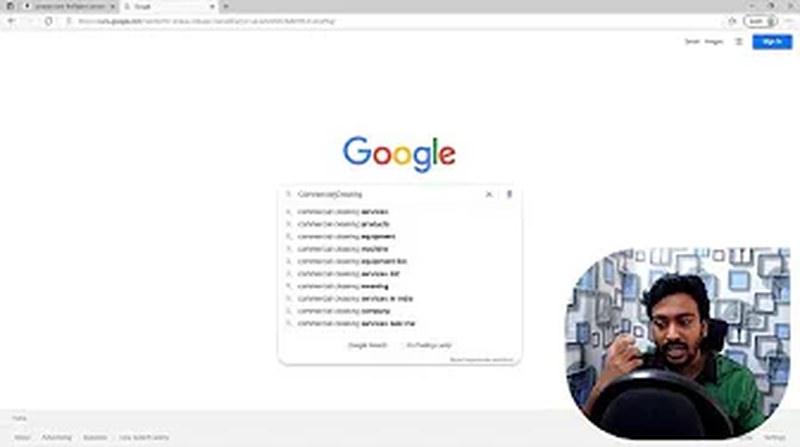
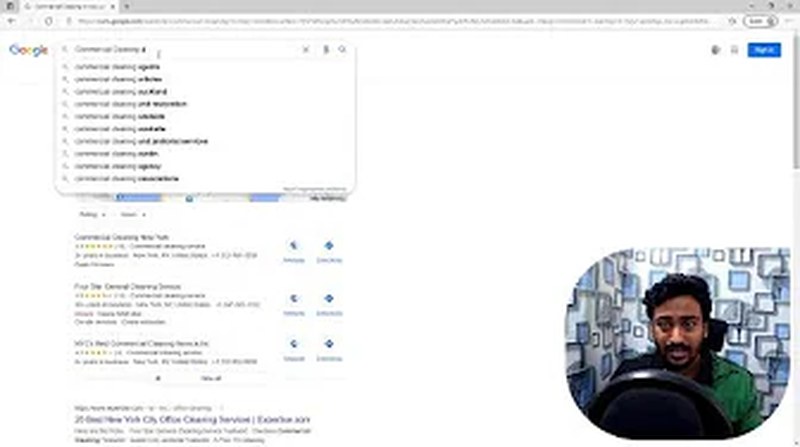
Type your seed keyword and pause before pressing Enter. Every suggestion is a real query typed by real users. Work through the alphabet systematically: type “office cleaning a,” “office cleaning b,” and so on. You will uncover dozens of specific variations.
Google “People Also Ask” (PAA):
When you search any keyword and see the PAA accordion boxes, click on questions to expand them. Each expansion reveals new related questions. This chain gives you a deep cluster of question-based keywords that are already pre-validated by Google as related to your topic.
Google Related Searches (bottom of page):
Eight related search terms appear at the bottom of every results page. These are Google’s own semantic connections - they tell you how the algorithm categorizes your topic.
Bing autocomplete:
Run the same seed keyword through Bing. Different algorithmic data source means different autocomplete suggestions. Catching even 10% more keyword ideas this way is worth the two minutes it takes.
9. Wikipedia
Wikipedia is an underrated free keyword research tool. Its table of contents for any major topic is essentially a pre-built outline of keyword categories that real researchers have determined are relevant to that subject.
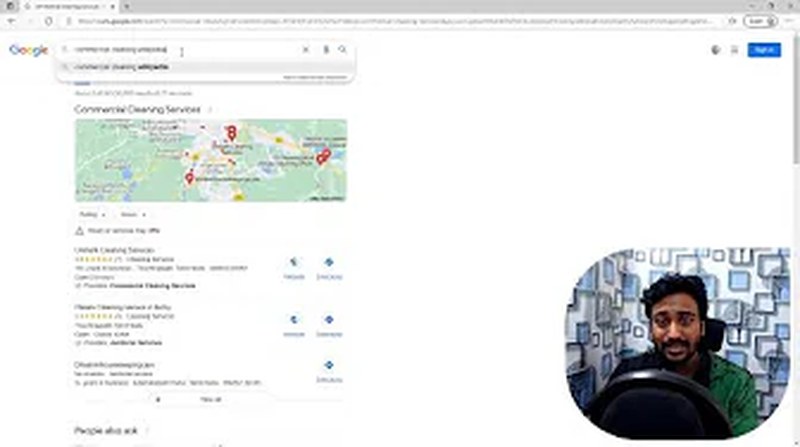
Search your seed keyword on Wikipedia and scan:
- The table of contents (each section title is a potential keyword cluster)
- Hyperlinked terms in the body (Wikipedia’s editorial team links related concepts - those links are semantic keyword connections)
- See also and References sections (connected topics you might not have considered)
For a cleaning services research session, Wikipedia’s article on “commercial cleaning” contained section titles like “infection control cleaning,” “cleanroom cleaning standards,” and “environmental cleaning protocols” - highly specific keyword clusters with genuine search volume.
10. Q&A Communities (Quora, Reddit, Stack Exchange)
Q&A platforms capture questions in their most natural, unfiltered form. Every question is essentially a search query someone typed or would type.
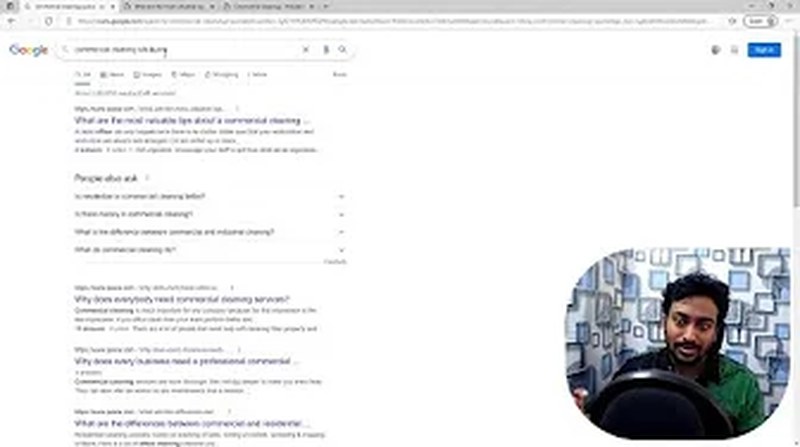
Quora research:
Search your seed keyword on Quora and look at the question phrasing for the top results. Questions like “How often should a business hire deep cleaning services?” and “What is the difference between commercial and industrial cleaning?” are long-tail keywords expressed as questions. Featured snippets for these exact queries are highly achievable with a well-structured answer post.
Stack Exchange and niche Q&A sites:
For technical industries, platform-specific Q&A communities (Stack Overflow for software, Stack Exchange for engineering, etc.) contain extremely precise technical terminology that drives high-intent searches.
11. Local Directories and Classified Ads
Local directories reveal how buyers describe and categorize services in plain language - no marketing polish, no SEO copywriting.
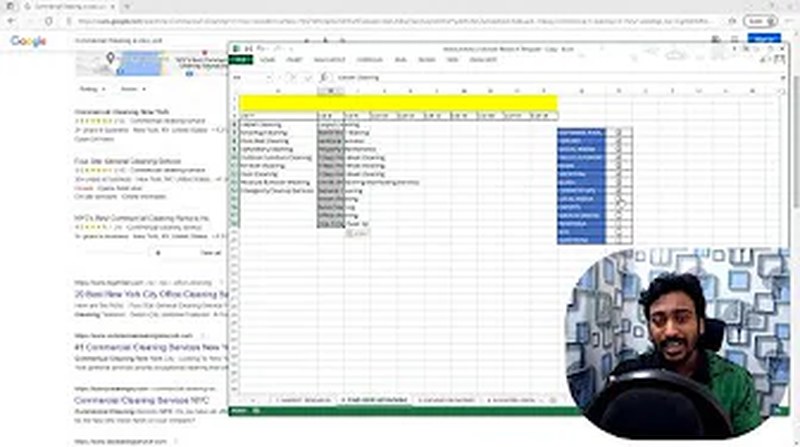
Where to look:
- Yelp and Google Business Profile category lists
- Angi (formerly Angie’s List) service categories
- Thumbtack service listing descriptions
- Craigslist services sections
- Local newspaper classified sections
For local SEO specifically: Check the [city] + [service] category pages on Yelp and Angi. The headings and descriptions contain the localized keyword patterns that dominate local search results.
12. Industry Experts and Trade Publications
When buyers are further in the research cycle and have more technical knowledge, they use precise industry terminology. Trade journals, association websites, and expert publications use this language consistently.
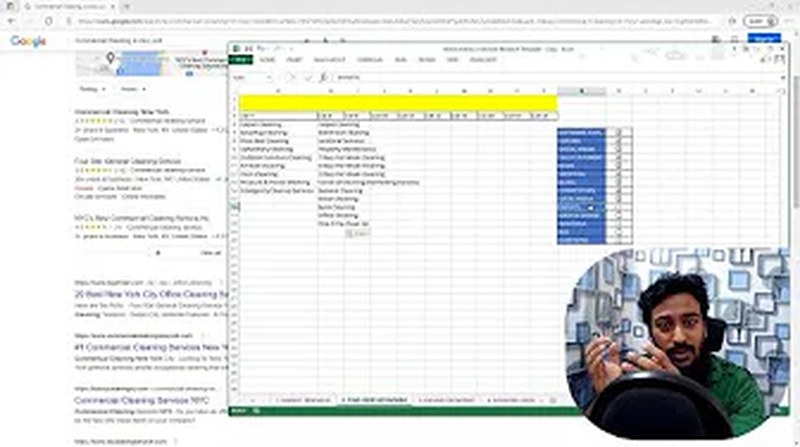
Where to find expert content:
- Industry association websites (search
[industry] associationor[industry] institute) - Trade magazines (most have free online archives)
- Industry conference agenda and session titles
- Professional certification program curricula
- Government agency publications for regulated industries
LinkedIn thought leaders in your niche also publish content using the exact terminology their professional peers search. Following 10-15 relevant LinkedIn influencers and reading their articles for 30 minutes gives you a vocabulary list worth weeks of keyword tool research.
13. Ads and Paid Promotions
Advertisers pay real money to show specific words in front of real buyers. Every word in a paid ad has been tested and survived competition. The language in ads is the language that converts.
What to analyze:
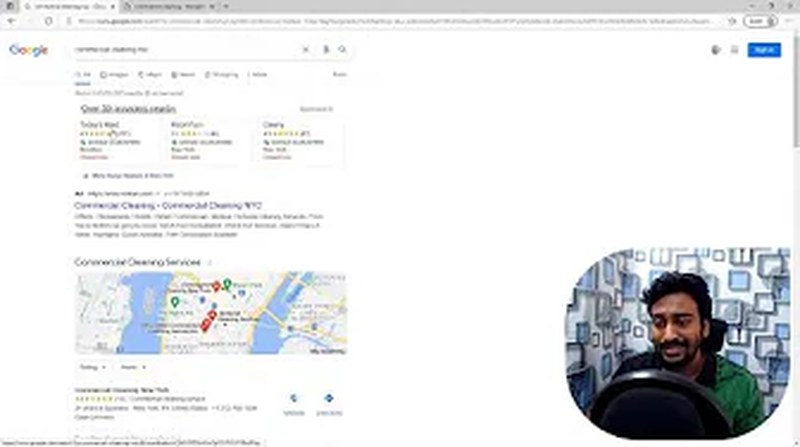
- Google search ads appearing for your seed keywords (above and below organic results)
- Facebook/Instagram ads in the Ad Library (
facebook.com/ads/library) - Industry newsletter ads
- Trade publication banner and display ads
The phrase patterns in these ads - their headlines and call-to-action text - contain the high-converting language your audience responds to. These are your transactional and commercial intent keywords.
Finalizing Your Brainstorm Before Moving to Tools
After working through all these sources, your spreadsheet should contain 100-300+ raw keyword ideas. Before running them through a keyword tool, do three things:
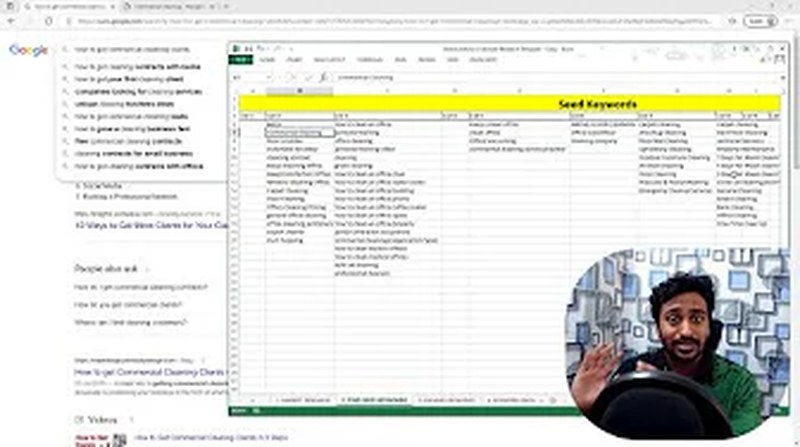
- Remove duplicates: Consolidate phrases that mean the same thing into one entry
- Assign intent: Label each idea as informational, commercial, transactional, or navigational
- Prioritize by business fit: Flag the ideas most relevant to what you actually sell or offer
Now take the most promising 50-100 to a keyword tool (Semrush, Ahrefs, Ubersuggest, or even the free Google Keyword Planner) to validate volume, check difficulty, and find additional variations. The tools confirm and expand what you found. They do not replace the discovery phase.
Keyword Clustering: Group Your Keywords for Maximum SEO Impact
You have a validated keyword list. Now what?
Most beginners make a critical mistake here: they try to create one page per keyword. That approach is outdated and ineffective. Modern Google understands that multiple related queries can be best answered by a single comprehensive piece of content.
Keyword clustering is the process of grouping semantically related keywords so you can target them together, building topically authoritative content rather than isolated keyword pages.
What Is a Topic Cluster?
A topic cluster consists of:
- A pillar page: Comprehensive coverage of a broad topic (like this article)
- Cluster pages: Deeper coverage of specific subtopics within the broad topic
Using an SEO keyword research course as an example:
Pillar page: “SEO Keyword Research for Beginners: Complete Guide”
Cluster pages:
- “How to Find Long-Tail Keywords Using Free Sources”
- “How to Use Google Search Console for Keyword Research”
- “ChatGPT Prompts for SEO Keyword Research”
- “Keyword Research for Local SEO”
- “How to Group Keywords into Topic Clusters”
Each cluster page targets a more specific keyword. Each links back to the pillar. Each adds signals to Google that this site has genuine authority on the broad topic.
How to Build Keyword Clusters
Step 1: Identify your core topic
What is the broadest, highest-value term in your keyword list? That becomes your pillar page topic. For keyword research content, it is “keyword research” or “seo keyword research for beginners.”
Step 2: Group related keywords by intent and subtopic
Sort your keyword list into groups where members share similar search intent and address a common angle of the core topic. Keywords that answer different aspects of the same question belong in the same cluster.
Step 3: Determine what each cluster needs
Some keyword clusters are best served by a 1,500-word focused guide. Others need 5,000+ words. Look at what Google currently ranks for each cluster to calibrate depth requirements.
Step 4: Map your internal linking structure
Before you publish anything, plan which pages will link to which. Cluster pages should link to the pillar. The pillar should link to cluster pages. Supporting pages (like tool reviews or case studies) link to relevant cluster pages.
Why Clustering Matters More Than Ever
Google’s algorithms increasingly evaluate topical authority - how deeply and comprehensively a site covers a subject area - rather than just individual page relevance. A site with 20 well-clustered articles on keyword research will outrank a site with 100 unconnected posts on the same topic.
Clustering also helps with content gap identification. When you map your cluster, the missing pages become obvious. You can see exactly what you need to write to complete your topical authority.
Keyword Research Mistakes to Avoid
After 15 years and 100+ websites, these are the mistakes I see most consistently - and the ones that cause the most damage.
Targeting only a few keywords per page
Each page has the potential to rank for hundreds of related queries. Old SEO focused on exact keyword stuffing for one or two terms. Modern SEO builds pages around topics. Include your primary keyword, secondary keywords, question variants, and semantic terms throughout the content naturally.
Ignoring long-tail keywords because of low volume
New site owners see a keyword with 50 monthly searches and skip it. But that keyword might have zero competition, clear intent, and be exactly what your ideal customer types when they are ready to buy. Low volume does not mean low value. A 50-search-per-month keyword that converts at 5% is more valuable than a 5,000-search-per-month keyword that converts at 0.05%.
Expecting 100% of search volume to visit your site
If a keyword gets 1,000 monthly searches and you rank first, you will not receive 1,000 visits. Ads, featured snippets, People Also Ask boxes, and other SERP features absorb clicks. Organic position one typically receives 25-35% of clicks for a clean SERP, often significantly less when there are many SERP features.
Keyword stuffing
Adding keywords without context or value. Google penalizes this. More importantly, it destroys the reading experience. Include keywords naturally in headlines, subheadings, and body copy where they genuinely fit the content.
Ignoring search intent completely
You can have a perfectly valid keyword with good volume and low difficulty and still rank for nothing if your content does not match what Google believes satisfies that intent. This is the most common reason well-optimized content fails to rank. Always check the SERP before writing.
Skipping industry research and going straight to tools
Tools show you what is already being searched. They cannot show you what your specific audience talks about in private communities, the exact pain-point language they use, or the emerging terminology in your niche. Without industry research first, you are working with incomplete information.
Only targeting easy keywords
Low-competition keywords should form the foundation of your early strategy. But if you never invest in competitive terms, you will always have a ceiling on your organic growth. Start working on competitive keywords now, with realistic expectations about timeline, even if easy keywords are your main focus.
Your Keyword Research Workflow: Putting It All Together
Here is the complete process in sequence, from zero to a validated keyword list ready for content planning:
Phase 1: Industry Research (1 day minimum for new niches)
Answer the 7 questions about your industry. Identify your audience’s pain points, interests, search behavior, and vocabulary. Build a list of 10-20 seed keywords.
Phase 2: Free-Source Brainstorming (2-4 hours)
Work through the 15+ sources in this guide. Use your brainstorming spreadsheet to capture every idea you find. Assign intent to each idea. Aim for 100-300 raw ideas.
Phase 3: Tool Validation (1-2 hours)
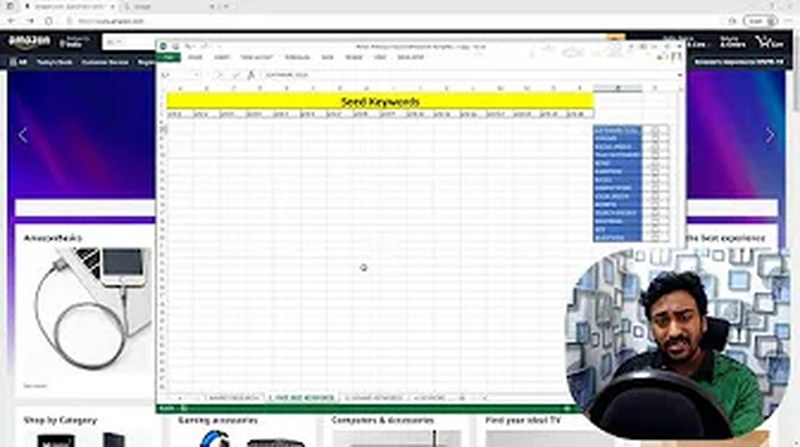
Take your top 50-100 ideas to a keyword research tool. Use the free Google Keyword Planner, or a paid tool like Semrush or Ahrefs if you have access. For each idea, note search volume, keyword difficulty, CPC, and any volume trends. Remove ideas that are clearly impractical. Flag your best opportunities.
For a detailed walk-through of the tool validation phase using free tools, see my guide on Google Search Console for keyword research - GSC is free and gives you real first-party data on the keywords where your site already gets impressions.
Phase 4: Clustering and Content Planning (1 hour)
Group your validated keywords into topic clusters. Identify your pillar pages and cluster pages. Build a content calendar that starts with low-competition long-tail targets and works toward more competitive core topics over time.
Phase 5: Tracking and Iteration
After publishing content, track rankings with Google Search Console. When a page reaches position 5-15 for a target keyword, it is a prime candidate for optimization - updating the content, improving the title tag, and building internal links. Keyword research is not a one-time exercise; it is an ongoing process of finding, publishing, tracking, and optimizing.
Conclusion
Keyword research is the foundation every SEO decision rests on. Getting it right from the start compresses months of wasted effort into a clear content roadmap.
The process is not complicated, but it is thorough. Understand the types of keywords and how to classify them. Validate each opportunity against the seven factors before committing to content. Do industry research before you open any tool. Mine real-world sources for natural language keyword ideas. Group everything into topic clusters that build topical authority over time.
The biggest difference between SEOs who see results within 6 months and those who are still waiting after 2 years is not technical skill. It is the quality of the keyword research done before anything was published.
Start with one niche, one brainstorming session, one spreadsheet. You do not need to do everything at once. Pick 10 realistic keyword targets, build the content, track the results, and learn from what the data tells you.
That is how I have grown every successful site I have worked on. Not with any secret tool or advanced technique - with research done properly from the beginning.
If you want to see this entire process applied to a real niche from scratch, watch the full video course where I walk through every step live.
Frequently Asked Questions
How long does keyword research take for a new site?
For a completely new niche you know nothing about, plan a full day for industry research and brainstorming, plus another half-day for tool validation. For niches you already understand, you can complete initial research in 2-4 hours. Ongoing keyword research for an established site is a continuous 30-60 minute weekly practice.
Do I need paid tools for keyword research?
No. The brainstorming phase covered in this guide uses entirely free sources and produces ideas that paid tools cannot replicate. For volume validation, Google Keyword Planner is free. Google Search Console is free and gives you first-party data. Paid tools like Semrush and Ahrefs provide significant advantages for competitive analysis and scaling, but they are not required to start.
How many keywords should I target per page?
There is no universal number. Your page should target a primary keyword, 3-5 secondary keywords, and include relevant semantic terms throughout. A comprehensive 3,000-word guide might naturally incorporate 20-30 related keyword variations. A focused 1,000-word post might target 8-10. Quality and relevance matter more than quantity.
Should I focus on short or long-tail keywords as a beginner?
Long-tail keywords first, always. They are faster to rank for, easier to write targeted content for, and often have higher conversion intent. Build ranking momentum with long-tail content, then gradually target more competitive mid-tail and head terms as your site’s authority grows.
How often should I update my keyword research?
Review and refresh your keyword research every 3-6 months. Search trends shift, new tools and topics emerge, and your site’s competitive position changes as it grows. Evergreen keyword research is not truly evergreen - it needs periodic updates to stay relevant.
This guide is part of the SEO Basics for Beginners series on AlstonAntony.com. For the next step in your keyword research journey, learn how to use Google Search Console to find your best keyword opportunities using the data from your own site.